Optimal Timing for Retaining Wall Pourings
Determining the optimal time for retaining wall pourings depends on several environmental and project-specific factors. Proper timing ensures the concrete cures correctly, minimizing the risk of cracking or structural issues. Typically, the best periods are during moderate weather conditions with stable temperatures and low precipitation.
Concrete pourings are best performed in dry, mild weather to prevent rapid drying or freezing, which can compromise strength.
Temperatures between 50°F and 85°F are optimal for curing. Extreme cold or heat can affect the setting process.
Spring and fall are generally preferred due to moderate climate conditions, reducing weather-related delays.
Avoid pouring during or immediately before heavy rain to prevent washout and weak bonding.

Ways to make Retaining Wall Pourings work in tight or awkward layouts.

Popular materials for Retaining Wall Pourings and why they hold up over time.

Simple add-ons that improve Retaining Wall Pourings without blowing the budget.
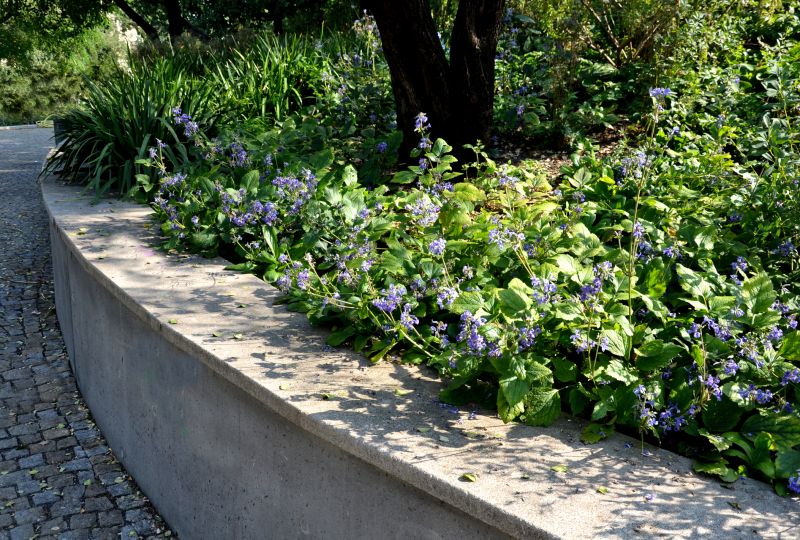
High-end options that actually feel worth it for Retaining Wall Pourings.
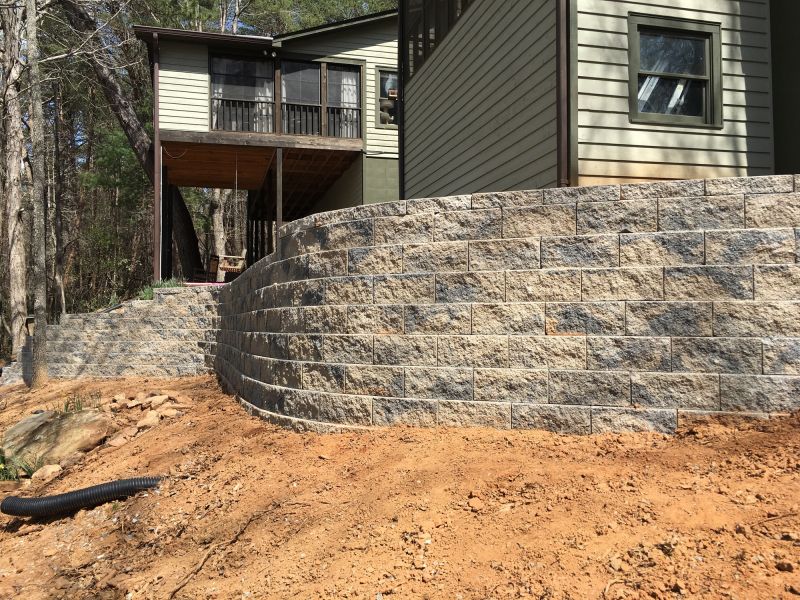
Finishes and colors that play nicely with Retaining Wall Pourings.
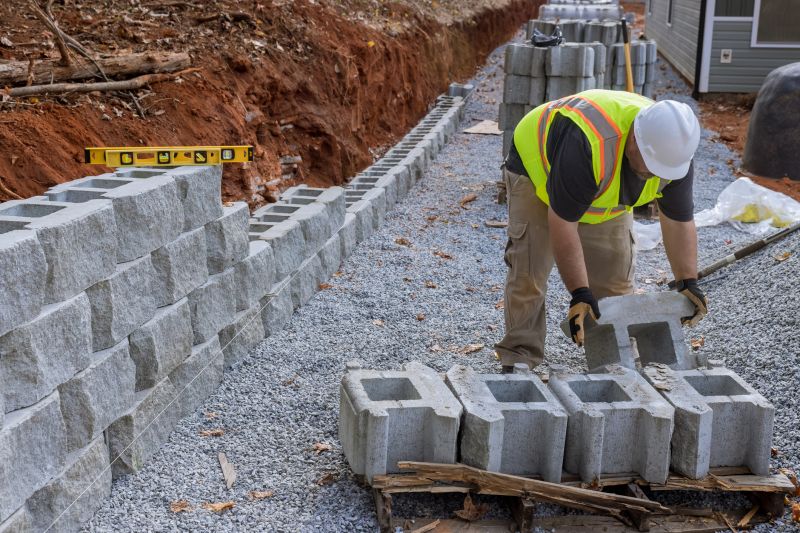
Little measurements that prevent headaches on Retaining Wall Pourings day.
| Factor | Recommended Conditions |
|---|---|
| Temperature | 50°F to 85°F |
| Weather | Dry, mild days |
| Precipitation | No rain during or immediately after pouring |
| Season | Spring or fall |
| Soil Conditions | Stable and dry |
Retaining wall pourings require careful planning to ensure structural integrity and longevity. Proper timing allows for optimal curing, which is essential for concrete strength and durability. Environmental factors such as temperature, humidity, and weather stability play a crucial role in the success of the pour. Incorrect timing can lead to issues like cracking, weak bonding, or uneven surfaces, which may require costly repairs later.
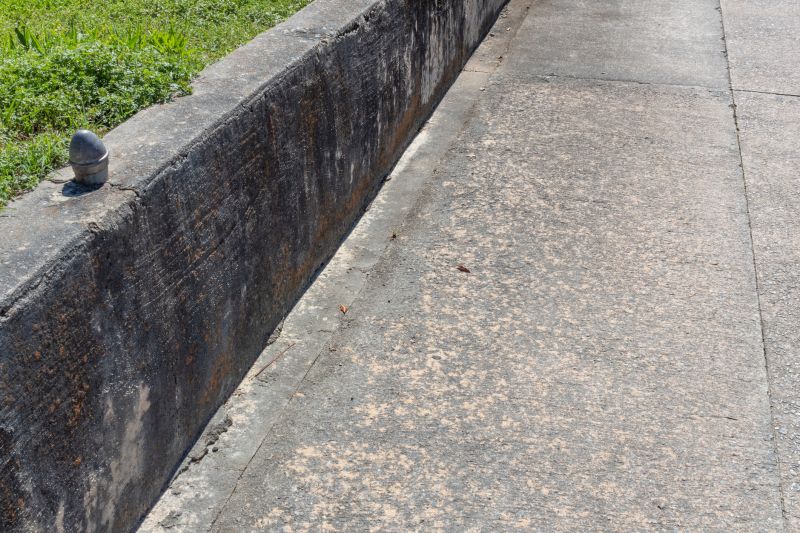
A 60-second routine that keeps Retaining Wall Pourings looking new.
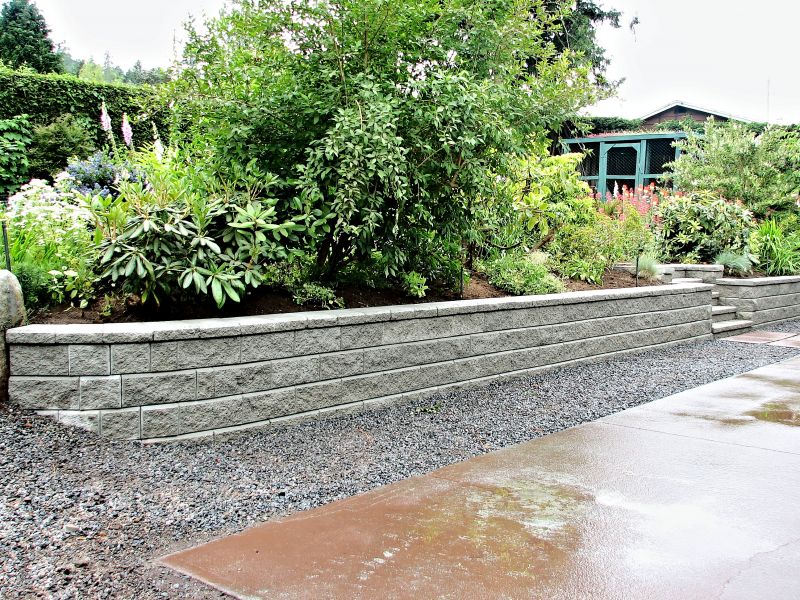
A frequent mistake in Retaining Wall Pourings and how to dodge it.
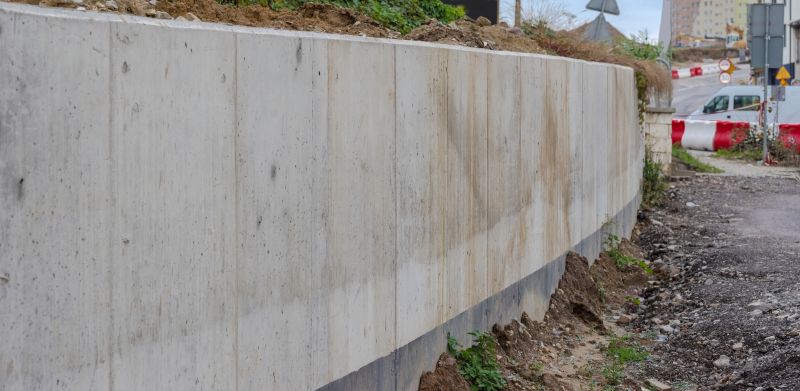
Small tweaks to make Retaining Wall Pourings safer and easier to use.

Lower-waste or water-saving choices for Retaining Wall Pourings.

The short, realistic tool list for quality Retaining Wall Pourings.

Rough timing from prep to clean-up for Retaining Wall Pourings.

Quick checks and paperwork to keep after Retaining Wall Pourings.

Examples that show the impact a good Retaining Wall Pourings can make.

Ways to make Retaining Wall Pourings work in tight or awkward layouts.

Ways to make Retaining Wall Pourings work in tight or awkward layouts.
For best results, consult with professionals to determine the ideal timing based on local climate conditions and project requirements. Proper scheduling combined with environmental awareness ensures the durability and stability of retaining walls, supporting long-term performance and safety.
Interested in scheduling a retaining wall pouring? Fill out the contact form to get more information and assistance.