Concrete Retaining Walls vs Concrete Poured Walls: What’s the Difference?
People seeking to install concrete retaining walls or poured walls aim to improve stability and support, and local contractors can expertly handle the differences to meet their needs.
If you’ve been exploring options for enhancing your property's landscape or managing terrain challenges, understanding the differences between concrete retaining walls and concrete poured walls is an important step. Property owners in the area often consider these structures for purposes like preventing erosion, creating level spaces, or adding aesthetic appeal. Knowing which type suits your specific needs can help ensure a durable, effective solution, and local contractors specializing in retaining wall and poured wall installation are well-equipped to assist with these decisions.
Continuing to learn about the distinctions between concrete retaining walls and concrete poured walls can provide clarity on their respective benefits and applications. Whether planning for a garden terrace, hillside stabilization, or foundation work, understanding these options can influence the success of the project. Service providers in the community offer expertise in both types of construction, helping property owners choose and install the right solution for their landscape and structural requirements. Keep reading to discover practical insights that can guide your next project.
Get Quotes for Retaining Wall And Concrete Poured Wall Installation
- Retaining wall installation - needed when stabilizing slopes or creating level areas in landscapes, with local contractors customizing solutions for durability and design.
- Concrete poured wall installation - suitable for foundation or basement walls requiring seamless, continuous concrete, with service providers focusing on structural integrity and finish quality.
- Retaining wall construction - required for managing soil pressure and preventing erosion, with local pros selecting the best materials and construction techniques for the site.
- Concrete poured wall setup - used in situations demanding strong, monolithic walls, with local contractors ensuring proper formwork and concrete placement.
- Retaining wall repair and reinforcement - necessary when existing structures show signs of wear or shifting, with service providers assessing and strengthening walls to extend their lifespan.
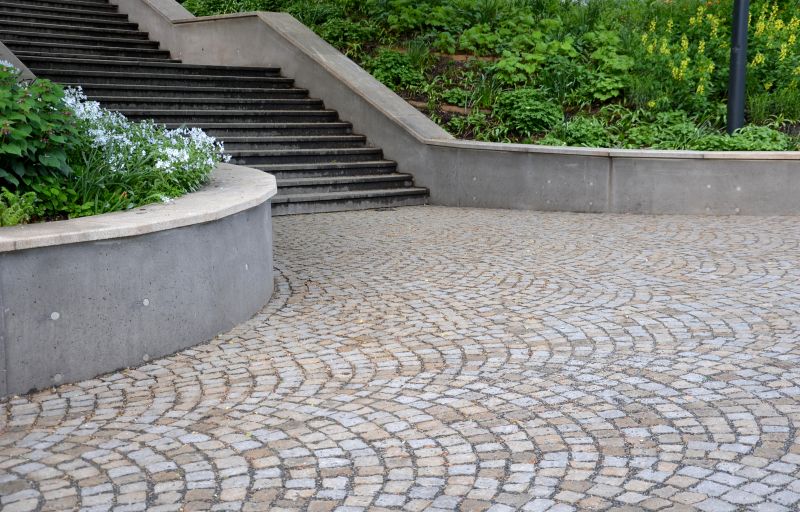
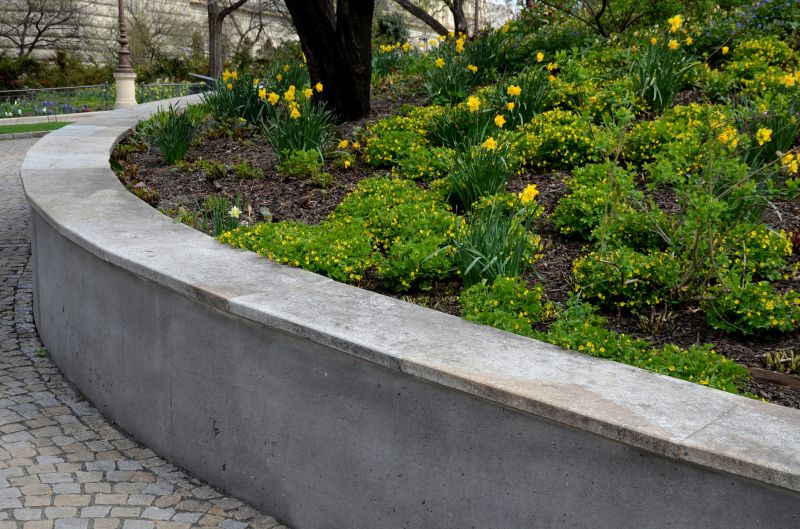
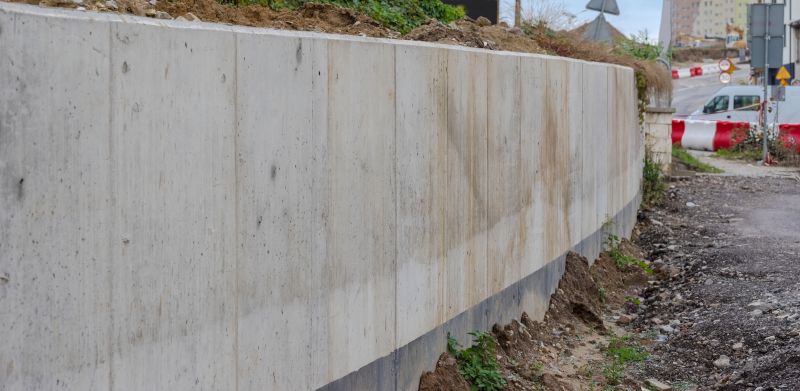
When homeowners search for information on concrete retaining walls versus concrete poured walls, they are often trying to understand the fundamental differences between these two types of structures. Typically, this comparison arises during planning for landscape modifications, hillside stabilization, or property expansion projects. People may be concerned about which option provides better support for their specific terrain, how each type impacts their property’s appearance, or what kind of durability and maintenance they can expect. Clarifying these distinctions helps homeowners make informed decisions about the most suitable solution for their needs, whether it’s controlling soil erosion, creating level areas, or enhancing curb appeal.
These topics are closely related to property problems such as uneven terrain, slope management, or the need to create flat outdoor spaces. For example, a homeowner with a sloped backyard might consider a retaining wall to prevent soil from shifting or washing away during heavy rains. Conversely, those building a foundation for a new structure or adding a patio might look into poured concrete walls for stability and a seamless finish. Understanding the differences between these wall types can influence the planning process, ensuring that the chosen method aligns with the property’s specific conditions and future use. Local contractors who specialize in retaining wall and poured wall installation can evaluate these factors and recommend the best approach.
The types of properties that typically come up in discussions about concrete retaining walls versus concrete poured walls include residential yards, hillside properties, commercial landscapes, and even some larger-scale developments. Residential homes with uneven or sloped yards often require retaining walls to create usable outdoor space or prevent erosion. Commercial properties, such as parking lots or retail centers, may need poured concrete walls for structural support and durability. Additionally, properties with challenging soil conditions or those requiring long-lasting, low-maintenance solutions are common candidates for these wall types. Local service providers are equipped to handle diverse property needs, providing tailored solutions that match the unique characteristics of each site.
For homeowners considering these options, understanding how local pros can assist is key. Retaining wall specialists can design and install various types of retaining structures suited for different terrains, ensuring stability and aesthetic appeal. Poured concrete wall contractors can build foundations, basement walls, or structural supports that require a smooth finish and high strength. Connecting with experienced local contractors helps ensure that the chosen wall type is correctly installed, meets the property’s demands, and withstands environmental factors over time. Recognizing the differences between concrete retaining walls and concrete poured walls, and knowing how local professionals can support each project, makes it easier to plan and execute a successful property improvement.
Landscape architecture projects - designing terraces, gardens, and outdoor features often require retaining structures or poured concrete elements, making these services relevant for similar skills and planning.
Foundation pouring services - installing building foundations involves expertise in concrete placement and formwork, aligning closely with the techniques used in poured walls and retaining structures.
Driveway and patio construction - creating durable outdoor surfaces involves concrete work that shares tools and planning considerations with retaining wall and poured wall installations.
Erosion control projects - stabilizing slopes or preventing soil loss often involves constructing retaining walls or similar concrete structures, requiring comparable skills from local contractors.
Basement wall construction - installing basement or retaining walls involves concrete pouring and formwork, making these projects related in technique and planning.
Hardscape installation - building features like steps, walkways, and planters often utilize concrete and retaining elements, requiring similar expertise from local service providers.
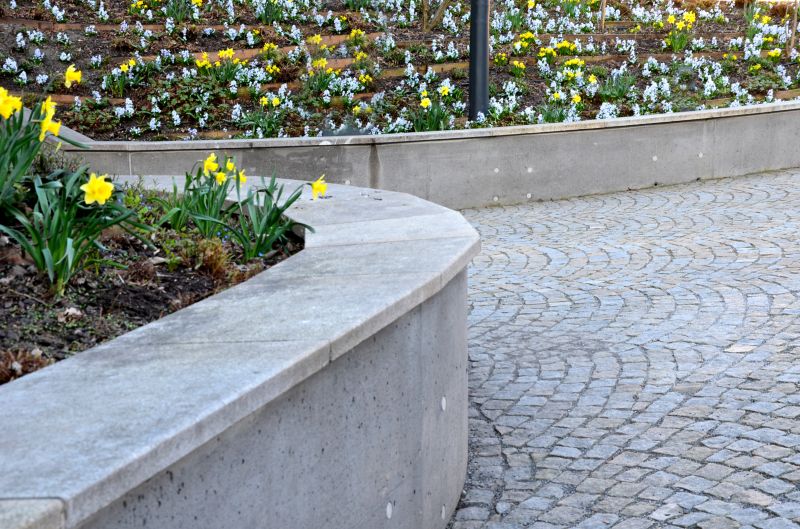
When comparing local contractors for concrete retaining walls versus concrete poured walls, it’s important to consider their experience with similar projects. Retaining walls often involve specialized techniques to manage soil pressure and ensure stability, while poured walls require proficiency in formwork and concrete placement for structural support. Service providers with a history of completing projects similar in scope and complexity can offer insights into what works best for specific needs, helping to ensure the chosen solution is durable and effective.
Clear written expectations are essential when evaluating different contractors. Homeowners should seek detailed project descriptions, including materials used, estimated timelines, and the scope of work involved. This transparency helps prevent misunderstandings and ensures everyone is aligned on the project’s objectives. Reputable local contractors are typically willing to provide comprehensive proposals that outline these details, making it easier to compare their offerings and determine which provider is best equipped to handle the unique requirements of either a retaining wall or a poured wall installation.
Good communication and reputable references are key factors in selecting the right service provider. Contractors who maintain open lines of communication can address questions promptly and provide updates throughout the project. Additionally, asking for references from previous clients who had similar work done can offer valuable insights into the contractor’s reliability, craftsmanship, and professionalism. By focusing on these aspects, homeowners can better gauge which local pros are most capable of delivering quality results for concrete retaining walls or concrete poured walls, ensuring the project aligns with expectations and long-term performance.
Get a Quote for Retaining Wall And Concrete Poured Wall Installation
Property owners often search for concrete retaining walls vs concrete poured walls: what’s the difference? when they are planning practical projects around their homes and businesses. Local pros provide Retaining Wall and Concrete Poured Wall Installation services for everyday jobs and straightforward project options.
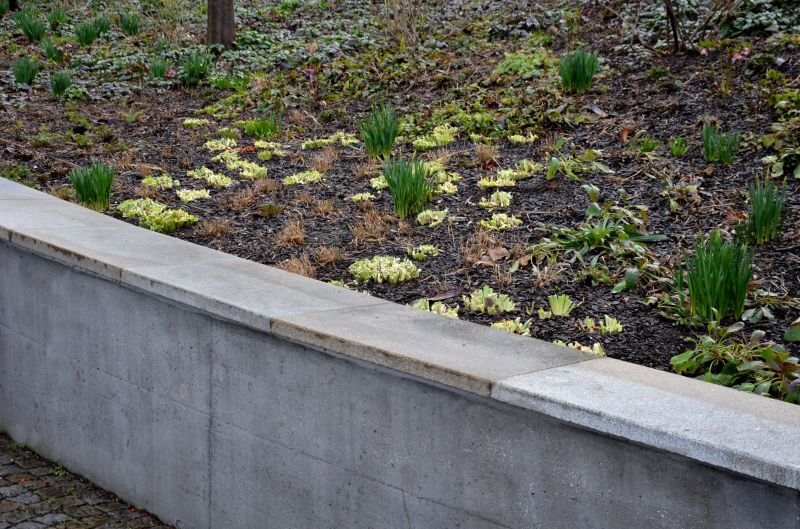
For property owners considering landscape or structural improvements, understanding the difference between concrete retaining walls and concrete poured walls can help in making informed decisions. Retaining walls are typically built to hold back soil and create level areas on sloped land, making them useful for garden terraces, driveways, or preventing erosion. Poured concrete walls, on the other hand, are often used for basement foundations, basement walls, or other structural supports that require a continuous, seamless surface. When planning such projects, many in the area look up this topic to determine which type of wall best suits their needs and to explore installation options offered by local contractors.
Local service providers who specialize in concrete work can assist property owners with both types of walls, ensuring proper installation tailored to specific project requirements. Whether a homeowner needs a sturdy retaining wall to manage landscaping or a poured concrete wall for foundational support, experienced contractors can provide guidance and quality craftsmanship. Connecting with local pros helps ensure that the chosen wall type is installed correctly, providing long-lasting results that enhance property stability and aesthetics.
Get a Quote for Retaining Wall And Concrete Poured Wall Installation
What is the main difference between concrete retaining walls and concrete poured walls? Concrete retaining walls are designed to hold back soil and are often built with blocks or panels, while concrete poured walls are typically used as foundation walls or structural elements created by pouring concrete into forms on-site.
Are concrete retaining walls more suitable for landscaping projects? Yes, concrete retaining walls are commonly used in landscaping to create terraces and prevent soil erosion, whereas concrete poured walls are primarily structural and used for foundation or basement walls.
Can local contractors help decide which wall type is best for a property? Absolutely, experienced service providers can assess site conditions and project needs to recommend whether a concrete retaining wall or a poured wall is appropriate.
Is the installation process different for concrete retaining walls compared to poured walls? Yes, retaining walls often involve building with blocks or panels and may require backfilling, whereas poured walls involve forming and pouring concrete directly into molds on-site.
Do concrete poured walls provide better structural support than retaining walls? Concrete poured walls generally offer higher structural strength and are used for foundational purposes, while retaining walls focus on soil retention and may not need to support as much weight.
Choosing the right type of wall can help property owners decide whether a concrete retaining wall or a poured concrete wall best suits their landscape needs, with local contractors providing guidance on material strengths and aesthetics. Assessing soil and terrain conditions allows property owners to work with local service providers to select the most durable and stable wall type for their specific property features. Understanding installation differences helps property owners plan for projects that require either modular construction or continuous poured walls, with local contractors managing the technical aspects. Considering future maintenance needs enables property owners to choose a wall style that aligns with their long-term property management goals, supported by local pros’ expertise.
If you are thinking about concrete retaining walls vs concrete poured walls: what’s the difference? for a property, this guide is meant to help you understand this topic, the typical project types, and how different options might fit your plans.
When you are ready, you can use the quote form on this page to share a few details about your project. From there, local pros can review the basics and follow up with options that match what you have in mind.
Get a Quote for Retaining Wall And Concrete Poured Wall Installation